African Tribal Masks
What Are African Tribal Masks
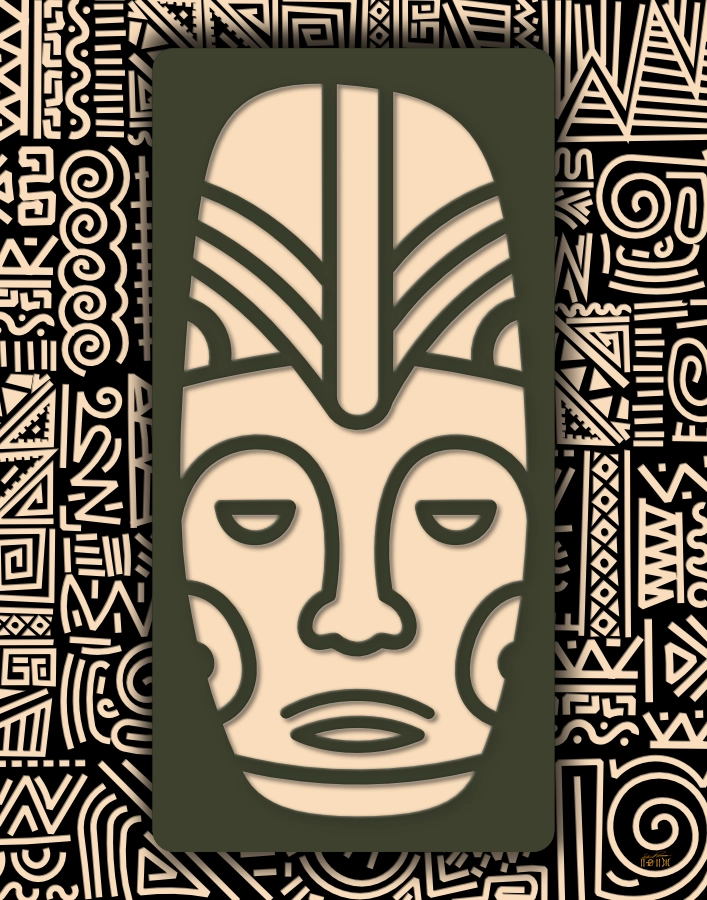
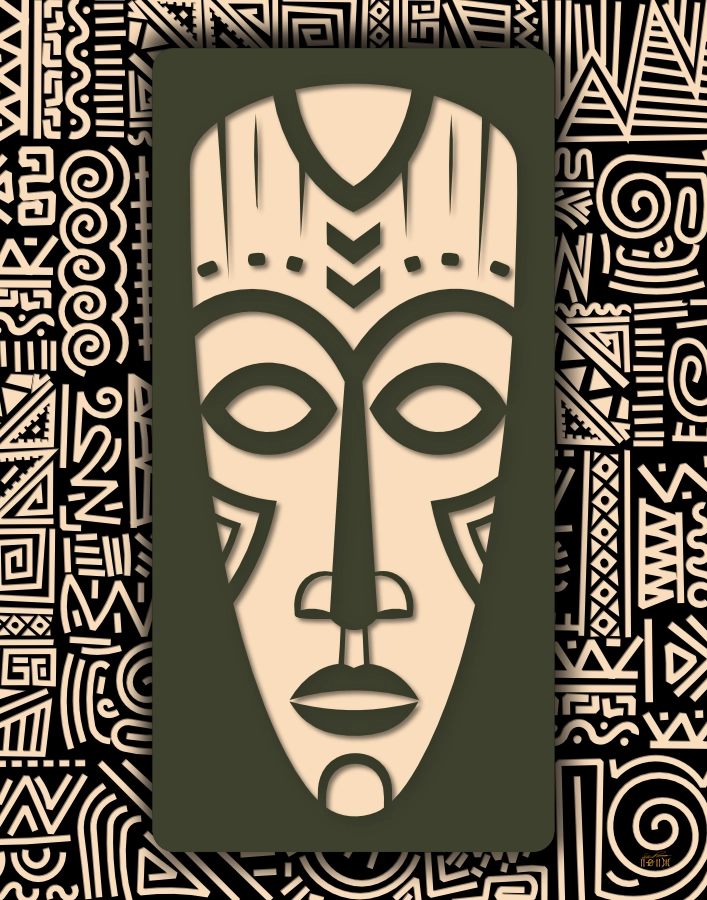
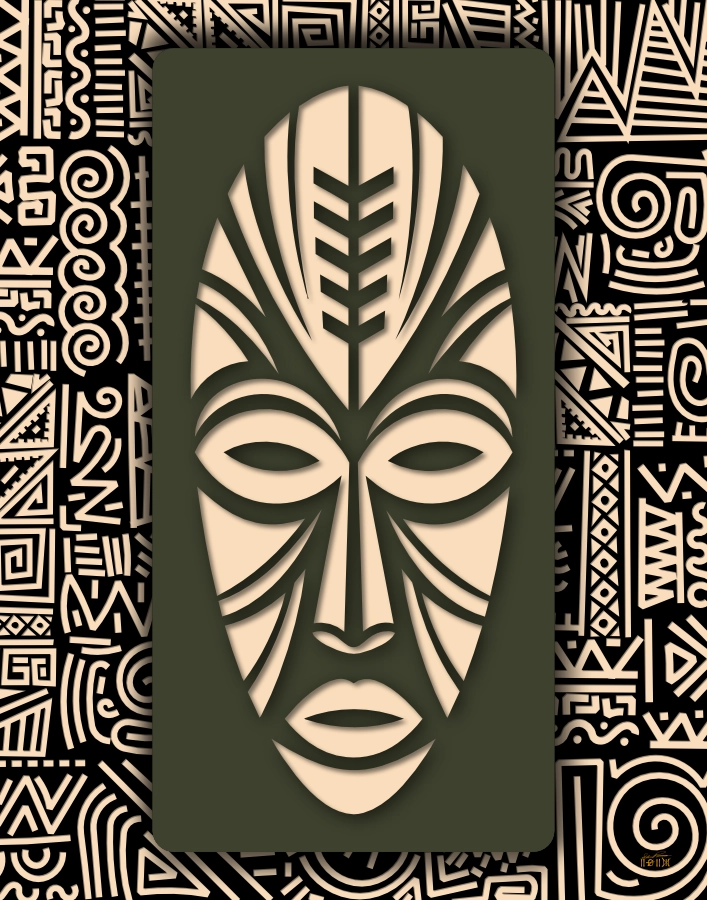
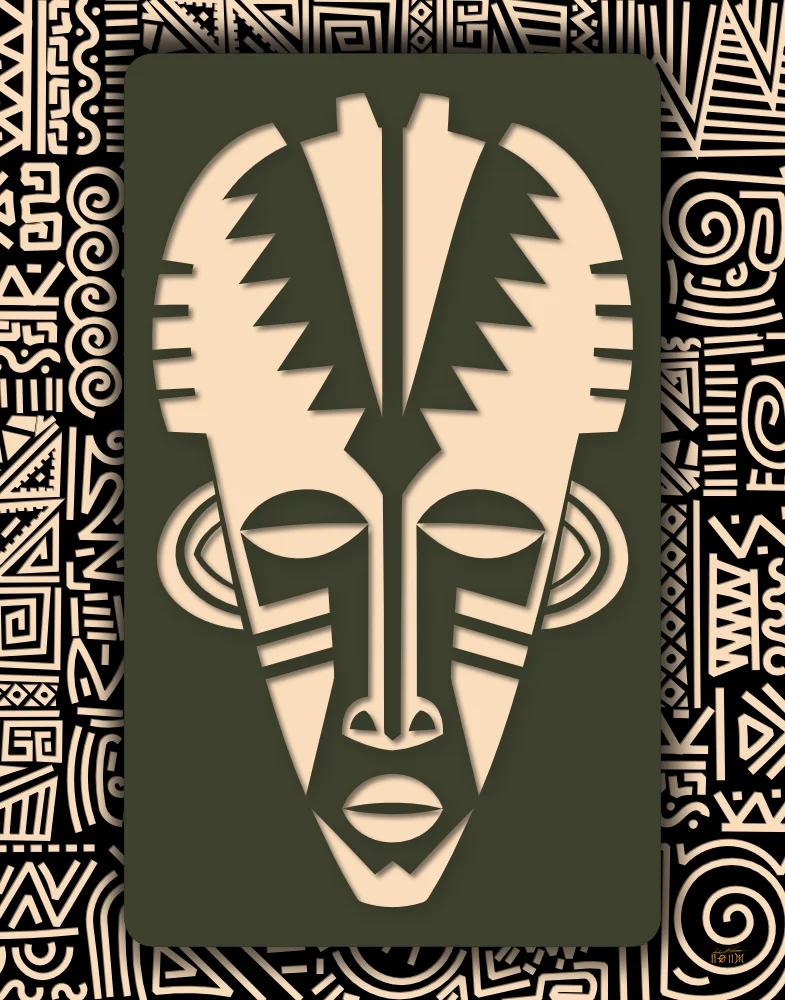
African tribal masks are sacred ceremonial objects used by hundreds of ethnic groups across the continent. Masks feature heavily stylized facial features or animal face in an abstract way and serve as a visual language rather than literal portraiture. Historically, wearers utilize these masks in rituals to connect with ancestral spirits, ensure successful harvests, or maintain social order. The dancer wearing the mask is traditionally believed to shed their human identity and channel the spiritual being represented.
Mask Origins
Masks are a prominent feature of African cultural heritage. The history, use, and symbolism of masks vary across national, ethnic, and cultural identities. In West Africa, masking traditions are closely linked with the history of masquerades.
Though the precise origins of masking traditions in precolonial Africa remain unknown, Raphael Chijioke Njoku [1] theorized that masquerades developed among the Bantu people sometime before 3000-2500 BCE. Njoku states, "migrants could not have been able to propagate the idea outside their original homeland if they were not already well acquainted with the diverse ramifications of its practice."
Raphael Chijioke Njoku, PhD, [1] is an African history and global studies professor at Idaho State University.